Building muscle is a complex biological process that involves training intensity, nutrition, hormone balance, and recovery. While many people focus primarily on workouts, real muscle growth actually occurs during the recovery phase.
Understanding how the body adapts to training can help athletes optimize their results.
The Muscle Growth Process
Muscle growth, known as hypertrophy, occurs when resistance training creates microscopic damage in muscle fibers. The body then repairs these fibers, making them thicker and stronger.
This process includes three main stages:
- Training Stimulus – Intense resistance training stresses the muscle fibers
- Recovery Phase – The body repairs damaged tissue
- Adaptation – Muscles grow stronger to handle future stress
Without sufficient recovery, muscle growth cannot occur effectively.
Role of Hormones in Muscle Development
Hormones play a crucial role in regulating muscle growth. Key hormones involved include:
- Testosterone – supports protein synthesis
- Growth hormone – aids tissue repair and recovery
- IGF-1 – promotes muscle cell growth
Some performance compounds are designed to influence these hormonal pathways, which is why they are often researched within advanced bodybuilding programs.
Importance of Recovery
Many athletes underestimate recovery, yet it is the most critical part of progress.
Effective recovery strategies include:
- Adequate sleep (7–9 hours per night)
- High-protein nutrition
- Hydration and electrolyte balance
- Rest days between intense workouts
Poor recovery can lead to fatigue, decreased performance, and increased injury risk.
Nutrition for Muscle Growth
Nutrition provides the raw materials needed for muscle repair and growth.
A balanced muscle-building diet typically includes:
- Protein: supports tissue repair
- Carbohydrates: fuel intense workouts
- Healthy fats: support hormone production
- Micronutrients: aid metabolic processes
Athletes who combine structured nutrition with progressive training typically experience the most consistent results.
Training Consistency
The most successful athletes follow long-term training programs rather than relying on short bursts of motivation.
Effective programs usually include:
- Progressive overload
- Structured workout splits
- Balanced training volume
- Periodized recovery cycles
Final Thoughts
Muscle growth is not simply about lifting heavier weights. It requires a balanced combination of training, nutrition, recovery, and informed decision-making. Athletes who understand the science behind these elements can build stronger, more sustainable progress over time.

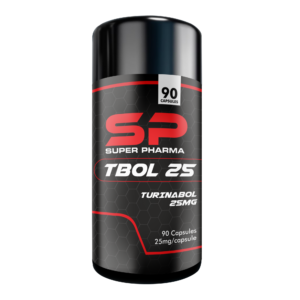 TBOL (Turinabol)
1 × ₹5,154.00
TBOL (Turinabol)
1 × ₹5,154.00